


What should my dog not eat?
At ESSENTIAL FOODS our mission is to ensure that dogs enjoy a long, healthy and happy life. To achieve that, your dog’s diet needs to be as close as possible to his or her natural dietary requirements. We are often asked what is safe and unsafe for a dog to eat. That’s why we’ve created this FAQ to answer some of the most frequently asked questions from customers.

Dogs differ
No two dogs are the same. This means that there will always be a dog somewhere that can eat something generally accepted as a no-no for dogs.
Our list below recognises that dogs differ, and is intended as a general guide to safe and healthy meals and snacks for your dog. This also means that your dog might actually be sensitive to foods listed below as harmless. That brings us to the next point; you should always proceed with caution when introducing new foods into your dog’s diet.
Introducing new ingredients into your dog's usual diet
Be cautious when trying your dog on new foods. There’s no way of knowing if they might be sensitive to one or more ingredients. Even if your dog has no food sensitivities, any dietary change could cause digestive upset in the form of vomiting or diarrhoea.
So, always start with tiny amounts when introducing new foods. This will give you a chance to observe your dog’s reaction, and prevent tummy trouble caused by specific ingredients.
If you have seen your dog eating something you know is a no-no or if you suspect poisoning, contact your vet immediately for advice.
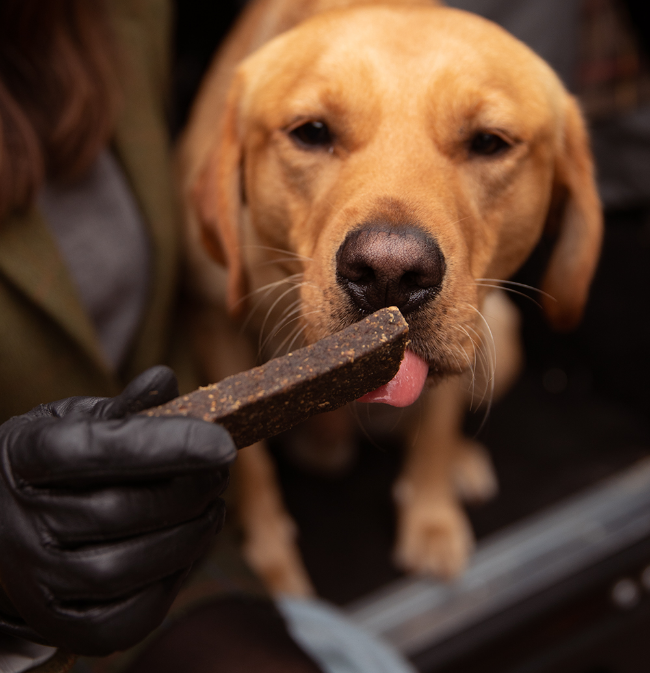

Meat
Dry dog food should have a high content of meat and, not least, fish to ensure that your dog enjoys a long, healthy life. Dogs, being carnivores, naturally eat a lot of meat. That said, not all types of meat-rich foods are healthy for your dog. Get an overview of what you should and definitely shouldn’t be serving your dog.
Are beef bones safe for dogs?
Yes. Beef bones are the best and safest bones you can give your dog to chew on. Marrow bones (large bones with a bulge at both ends) are ideal. Beef and veal bones do not splinter as easily as other types of bone, making them a safe alternative to pork, lamb or venison bones. Raw beef bones are relatively easy for dogs to digest. If you would like to give your dog beef, you’ll find a range of meals and snacks made from beef in our assortment. Our ESSENTIAL HIGHLAND LIVING is made with tasty Aberdeen Angus beef from the Scottish Highlands, and our ESSENTIAL BEEF DELIGHTS are our snacks made of 100% beef.
Are cooked bones safe for dogs?
No. Stick to raw bones! Not only do bones lose a lot of their nutrients when cooked, the risk is that they will become brittle and splinter when chewed. Those sharp splinters could injure your dog’s insides by perforating the food pipe, stomach lining or intestines and causing internal bleeding. Instead of serving your dog cooked bones, we recommend trying our RABBIT DELIGHTS.
Are chicken bones safe for dogs?
No. It’s not a good idea to give your dog chicken bones. Bones from poultry, including chicken, duck, turkey and goose, splinter easily and could perforate your dog’s insides and cause internal bleeding. This is why chicken bones are unsafe for dogs. You can, however, safely give your dog our delicious ESSENTIAL GRAIN-FREE CLASSIC DENTAL DELIGHTS. Made of 96% meat (chicken/beef), these treats are great for cleaning your dog’s teeth, too. We also have a great dry food option called SMALL SIZE ESSENTIAL SUPERIOR LIVING made with British-breed Ross & Cobb chicken.
Are pork bones safe for dogs?
No. Like poultry bones, pork bones have a tendency to crack into little splinters when chewed. That means there’s a risk of the bones perforating your dog’s stomach and intestines. This is why pork bones are unsafe for dogs.
By all means, give a dog a bone, but stick with traditional beef marrow bone!
If you’d like to pamper your dog with a pork treat, try our ESSENTIAL PORK DELIGHTS 250G. These treats are made of 100% dried pig ears sliced into bite-sized pieces, as even the best dog can have too much of a good thing.
Are spareribs safe for dogs?
No, dogs must not be given spareribs. Spareribs are pork ribs, and as with other pork bones, they are brittle and tend to splinter when chewed. That means there’s a risk of bone splinters perforating your dog’s insides. An alternative for your dog to enjoy chewing on would be our ESSENTIAL LARGE ROLLED DELIGHTS 10 PCS. These classic treats consist of 100% beef hide and are ideal for cleaning your dog’s teeth.
Are lamb bones safe for dogs?
Not so much. Dogs have trouble digesting lamb bone. Also, lamb bones tend to splinter, which can cause internal bleeding in dogs. If you do decide to offer your dog lamb bone, choose a large bone and keep a close eye on your dog.
Alternatively, you can feed your dog lamb meat, which is rich in protein and beneficial minerals. We use free-range British lamb in several of our own products – including our ESSENTIAL ESTATE LIVING meal.
Are venison bones safe for dogs?
No, dogs must not be given venison bones. This is because dogs can become constipated from venison bone. The other reason is that venison, chicken, pork and lamb bones should be avoided, as they can splinter inside your dog’s digestive system. Stick to beef bone instead. You can, however, safely feed your dog venison meat. At Essential Foods, we use meat from free-roaming Yorkshire deer in several of our meals – like ESSENTIAL ESTATE LIVING-because it imparts an amazing flavour to the kibble, and is protein-rich.
Is minced beef safe for dogs?
Yes, dogs can eat minced beef, but the meat must be cooked. Raw minced beef can contains almonella and E. coli bacteria. For this reason, you should always cook minced beef before serving it to your dog. You can either boil or fry the mince until it is no longer pink. At Essential Foods, we actually use Scottish Aberdeen beef in several of our meals. It doesn’t get much better!
Are processed meat products safe for dogs?
It depends. But generally not!
While dogs can have tiny amounts of processed meat products meant for humans like pork sausages, ham, spam or corned beef, they generally contain trigger ingredients for dogs with food allergy and sensitivity. The spices, high fat and salt content in meat-based human foods may also be harmful for your dog.
Two typical protein sources that can cause allergic reactions in dogs are pork and dairy, both of which are present in processed foods like sausages. Even if your dog is not allergic to the ingredients in your favourite sandwich, they may still harm your dog’s health in the long term,
because they can cause excess weight gain if served to supplement your dog’s daily diet.
So, if you do share a lunchtime sandwich with your dog, you should reduce their dry food servings correspondingly.
Remember that if you let your dog taste your food, you should always check the ingredients for additives. Many processed human foods contain onion and garlic, for example, two foods that are toxic to dogs.
Is egg safe for dogs?
Yes, egg is safe to give your dog. However, stick to hard-boiled eggs, and avoid raw egg.
Eggs are rich in easily digestible proteins and minerals, making them a healthy snack for your dog. As with any food, dogs can be allergic to egg, so be sure to pay attention to your dog’s reaction the first time you serve hard-boiled egg.
Several of our meals are made with fresh egg precisely because it’s one of the best sources of a number of essential amino acids and vitamin B.
Fish
Fish is a unique source of omega-3 fatty acids which supports healthy hair and skin.

Is salmon safe for dogs?
Yes! Dogs benefit from eating salmon. Salmon is rich in omega-3 fatty acids and protein, which are good for the brain and give your dog a healthy, glossy coat. However, smoked salmon is to be avoided. At Essential Foods, we use the finest Scottish salmon in several of our products because it’s rich in both protein and vital amino acids, which benefit your dog’s health.
Our ESSENTIAL FINEST SALMON & PARSLEY SMALL SAUSAGES are made of 60% Scottish salmon, a hint of parsley and potatoes. When it comes to dry meals, we have the perfect mix of fish all in one kibble called SMALL SIZED ESSENTIAL NAUTICAL LIVING and made with English herring, trout and Scottish Atlantic salmon.
Is tuna safe for dogs?
Yes, but only in small amounts. As an apex predator, tuna feeds on other fish that accumulate heavy metals. This means that the concentration of toxic metals like mercury and arsenic is particularly high in tuna. For this reason, you should not giver your dog large amounts of tuna. This is also the reason why pregnant women are advised not to eat tuna.
However, fish generally is healthy in both treats and meals. We have a large selection of both meals and snacks containing fish. Our ESSENTIAL TINY FISH DELIGHTS are some of our most popular fish treats. They consist of dried Baltic sprats and herring ready for snacking on. We’ve also created an enticing kibble blend called SMALL SIZED ESSENTIAL NAUTICAL LIVING. This dry meal is a choice blend of fresh salmon, trout, herring and seasonal fish that is ideal if you are looking for a diet to address skin/coat concerns.
Are shrimp and prawns safe for dogs?
Yes, many dogs can safely eat shrimp and prawn. As with any new food, shelled prawns and shrimp should be introduced in moderation. Is fish your dog’s preferred dish? Then look no further than our delicious treats and kibble containing fish. Our ESSENTIAL SALMON MINI DELIGHTS are enticing treats for rewarding your dog. They consist of 70% cold-pressed salmon and are semi-soft. We also have ESSENTIAL NAUTICAL LIVING, our delectable fish-rich 100% grain-free kibble. Made with British trout and herring, this dry dog food is loaded with healthy Omega-3 fatty acids.

Let your dog discover new flavors
Try adding salmon oil for dogs to our meals. Fish oil is rich in omega-3 fatty acids, which are highly beneficial for your dog's health.
Dairy
Although dairy products may be very appealing to dogs, far from all dairy products are good for them. Read on to find out which dairy products you can offer your dog, and which ones are no-nos for your best friend.

Is milk safe for dogs?
Yes and no. Some dogs are allergic to milk or are lactose intolerant, meaning that they can’t have dairy products. Lactose intolerance in dogs causes many of the same symptoms as it does in humans: bloating, stomach ache and diarrhoea. Some dogs are more sensitive to dairy than others, so it’s not possible to generalise.
Lactose intolerance shows in puppies from when they are weaned. This is because before weaning, puppies naturally produce enough of the lactase enzyme needed to break down the milk sugar (lactose) in their mother’s milk.
The production of lactase decreases radically as soon as puppies are weaned. The result is often that dogs become dairy and lactose-intolerant when they transition to solid food.
Is cheese safe for dogs?
Yes, but in very small amounts and only if your dog is not lactose-intolerant. Lactose-intolerant dogs are unable to break down the lactose in dairy products, which can cause gastrointestinal upset like vomiting and diarrhoea. If your dog shows these symptoms after eating cheese, it is very likely a sign of lactose intolerance.
Generally speaking, dairy products, including cheese, are not recommended for dogs. Cheese is high in fat and sodium, which can cause high blood pressure
Is live yoghurt safe for dogs?
Yes, in small amounts and only if your dog is not lactose-intolerant, meaning unable to digest the natural sugar (lactose) in dairy products. If your dog is not lactose-intolerant, it is fine to serve a small amount of live/probiotic yoghurt occasionally.
Check that the product does not contain a non-sugar sweetener like xylitol, as this is toxic to dogs. Very sugary foods are generally unhealthy for dogs, so if your live yoghurt contains a lot of sugar, avoid serving it to your dog.
Is ordinary yoghurt safe for dogs?
Yes, you can give your dog yoghurt, but only in small amounts, and only on condition that your dog is not lactose intolerant. Many dogs are lactose intolerant, meaning that they can’t digest dairy products. Lactose intolerance causes symptoms like diarrhoea, gastric pain and bloating. Always avoid productscontainingnon-sugar sweeteners, as these are toxic to dogs.
Is cream safe for dogs?
Yes and no! Many dogs are lactose intolerant, meaning that they can’t digest dairy products. If your dog is not lactose-intolerant, a little dab of cream is fine occasionally, but it’s not exactly a healthy treat. In general, cream and other high-fat dairy products are not recommended for dogs.

Fruit and vegetables
Most of us know that a healthy human diet should include six servings of fruit and veg a day because this gives us the vitamins and minerals we need. For dogs, however, things are not so straightforward. There are fruit and vegetables you can enjoy with your dog, but also some we strongly advise against letting your dog eat.
Is banana safe for dogs?
Yes, dogs can have banana, but only in moderation. Bananas are rich in vitamins, minerals and potassium, which are healthy for dogs, but also contain a lot of natural sugar, which is to be avoided.
Besides their content of vitamins and minerals, bananas are rich in magnesium that helps maintain bone health and aids vitamin uptake. The cholesterol and salt content of bananas is low, so bananas are often a healthy alternative to other snacks.
Bananas are also rich in fibre, which may help to firm up loose stool in dogs.
However, the high sugar content means that dogs should only be served banana occasionally and in moderation. If your dog eats too much banana, the high sugar content could cause stomach upset and excessive weight gain over time. And take care not to let your dog eat banana peel!
Is melon safe for dogs?
Yes, dogs can have melon, especially watermelon, in moderation. Bear in mind that this fruit contains lots of sugar, so keep servings small. Melon, especially watermelon, contains a lot of fluid, vitamins and fibre and has beneficial antioxidative properties. This means that watermelon isa great way of keeping your dog hydrated in hot weather.
Is carrot safe for dogs?
Yes, carrot is perfectly safe for dogs, but as with many foods, only in moderation. Carrots are rich in vitamins A, B, B1, B8, C, D and K, which support the canine immune system. Raw carrot has great bite for keeping your dog’s teeth and gums clean and healthy.
In addition, carrots are packed with minerals, and calcium, potassium, sodium and, naturally, carotenoids. Carrots help to maintain healthy skin and vision, and for pregnant and nursing dogs, carrots boost blood circulation and milk production. At Essential Foods, we use carrot in several of our own meals, including SUPERIOR LIVING , which are suitable for all adult dogs.
Is strawberry safe for dogs?
Yes, dogs can have strawberry. This fruit is packed with minerals, vitamins and antioxidants to benefit your dog’s immune system. Strawberry contains less sugar than most fruit, making it a great alternative to bananas, for example. However, skip the cream, and always avoid frozen and preserved strawberry.
Are peas safe for dogs?
Yes, dogs can eat both garden (shelling) peas, snow peas and snap peas. If you serve your dog snap peas (where the pod is eaten), take care to slice them up into small pieces. Dogs can safely eat both fresh and frozen peas, but avoid tinned peas, as these contain added salt and herbs or spices.
You can use peas as treats for your dog, but in moderation. This is because peas contain purines, substances that produce uric acid, which has to be filtered by the kidneys. Uric acid build-up can cause kidney stones. If your dog has kidney issues, you will need to avoid peas completely.
That said, peas are rich in vitamins, protein, fibre and healthy antioxidants, which boost your dog’s immune system and help to stabilise blood sugar. At Essential Foods, peas are one of the ingredients in several of our own products, including in our ESSENTIAL OLDER products, created specifically for senior dogs.
Is potato safe for dogs?
Yes, dogs can safely eat cooked potato, but you should avoid raw potato. All white potatoes contain solanine, which is toxic to some dogs. However, solanine breaks down when heated, which is why cooked potato is safe to serve. Ideally, you should peel and boil potatoes or bake them, as the solanine is in the potato skin. Frying or roasting potatoes is not a good idea, as this requires added fat and salt, which is not healthy for dogs.
At ESSENTIAL FOODS we use sweet potato in several of our products, but this is a completely different vegetable to white potato, and does not contain solanine. We use the sweet potato varieties Beauregard and Jewel. The high protein content of sweet potato makes it an ideal ingredient in all our meals, and lives up to our BOF principle of foods to optimise canine behaviour.
Are grapes safe for dogs?
No, grapes are not safe for dogs. The reason is not yet clear, but grapes are toxic to dogs. Grapes commonly cause discomfort in dogs, and in severe cases have caused kidney failure.
Are raisins safe for dogs?
No dogs can’t eat raisins, currants or sultanas. These are dried grapes and are therefore also toxic to dogs. For raisins, currants and sultanas, we don’t know which substances the dogs react to, and you can’t tell in advance if your dog can tolerate them, so they are best avoided completely.
Common reactions in dogs are vomiting, diarrhoea, belly ache, tremor, and increased thirst and urination. In the worst case, eating any form of dried grapes could cause kidney failure, and one theory is that it is fungal spores in the fruit that affect the kidneys. So, never let your dog have raisins, currants or sultanas.
Is tomato safe for dogs?
No, it’s best to avoid tomato in your dog’s meals. Like potato, tomato contains the substance solanine, which is toxic to dogs. Solanine is mainly present in the green parts of the tomato plant (stalk, leaves and unripe fruit).
Dogs can get away with eating ripe tomatoes in very small amounts without suffering solanine poisoning. Against that, tomatoes also contain the substance alpha-tomatine, which in large amounts can harm your dog’s heart. However, this requires a substantial amount of tomato. To sum up: dogs can have ripe tomato, but only in very small amounts.
Is cucumber safe for dogs
Yes. There’s nothing in cucumbers that is unsafe for dogs. Cucumbers consist mainly of water and area great source of fluid to hydrate your dog. However, steer clear of pickled cucumbers and gherkins, and also go for fresh, organic cucumbers to ensure that they are pesticide-free.
Is apple safe for dogs?
Yes, but remember to core apples to remove the pips, which contain cyanogenic glycosides, which can cause fatal cyanide poisoning in dogs. Apples without pips, however, are as healthy for dogs as they are for humans. But only in moderation because apples contain natural sugar, so to avoid excess weight gain, go easy on sweet apples. Apple is also an ingredient in several of our own products, including in our ESSENTIAL HIGHLAND LIVING meal.
Is pineapple safe for dogs?
Yes, but only fresh pineapple (not tinned) and only small amounts due to the high fructose content. Keep a watchful eye on how your dog’s digestion responds when you try out new foods, and wait to offer the same food again until you’re sure it’s safe for your dog.
Is broccoli safe for dogs?
No, broccoli is generally not safe for dogs. Broccoli contains isothiocyanate, which can cause poisoning in dogs. That said, a tiny amount of broccoli may not be harmful, and not all dogs react strongly to broccoli. To be on the safe side, find something else nice for your dog.
Is onion safe for dogs?
No, onion is not safe for dogs. Onion containsallicin, which is present in both raw and cooked onion, and is toxic to dogs. The toxins in onions can damage red blood cells in dogs, which causes anaemia and breathing problems. The many symptoms of onion poisoning include diarrhoea, seizures, respiratory distress,vomiting and pale mucus membranes. Take care not to give your dog any food containing onion.
Is garlic safe for dogs?
No, garlic is unsafe for dogs. Like onion, garlic contains toxins that are poisonous to dogs. These toxins damage the red blood cells and break down the cells. Symptom onset is typically a few days after eating onion, and may include diarrhoea, increased heart rate, vomiting and general malaise.
Is coconut safe for dogs?
Yes, dogs are fine to eat coconut in moderation.
Make sure that none of the nutshell is left on the flesh, as this may be hazardous for your dog to swallow. Some dogs get stomach ache and bloating from coconut, so keep your dog under observation after trying coconut.
Is citrus safe for dogs?
Yes, sweet citrus fruit like tangerine or satsuma is safe, but only a small amount and with every single pip removed. The pips contain cyanide, which can poison dogs. Take care to remove the pips from sweet citrus fruit before offering any to your dog. Also, bear in mind that sweet citrus fruit contain sugar, so don’t overdo it.
Is cauliflower safe for dogs?
Yes, both raw and cooked cauliflower is fine for dogs to eat. Buy organic cauliflower to avoid pesticides. Stick to the white florets, avoiding the green parts; the stalk and leaves. Only serve your dog cauliflower in moderation. We actually use cauliflower in several of our products, including in our ESSENTIAL the BEGINNING LARGE BREED meal, which is ideal for puppies and junior dogs attaining an adult weight for their breed of 15 kg.
Is avocado safe for dogs?
No, avocado is unsafe for dogs. Avocado contains a toxin called persin which is very harmful for dogs. The toxin is present in both the pulp and the pit. In dogs, intake of avocado may cause vomiting, diarrhoea, respiratory distress and irregular heartbeat, and can even damage canine heart muscle.
Is chilli safe for dogs?
No, chilli is not recommended. Although chilli is not toxic to dogs, it contains a compound called capsaicin, which can irritate your dog’s stomach, which is why chilli is not advisable. Like fresh chilli, chilli spice in cooked dishes is not recommended for dogs.
Is asparagus safe for dogs?
Yes, dogs can eat asparagus. Raw green asparagus can, however, cause digestive upset in dogs, so you need to keep a look out for a bad reaction before trying it again. If your dog has a tummy upset or vomits after eating uncooked asparagus, be sure to cook it first next time.
Are plums safe for dogs?
Yes, but only the flesh, not the pit. The pit contains potassium cyanide, which is toxic to dogs. This is why windfall plums and dogs are a dangerous cocktail. If the plum stone is crushed and ingested, hydrogen cyanide is released, which arrests breathing in dogs. You should therefore always remove the hard pit before giving your dog a plum.
Is ginger safe for dogs?
Yes, ginger is safe for dogs in small amounts– less than 1 teaspoon daily. Ginger is rich in antioxidants, which can relieve motion sickness, nausea and bloating in dogs. Ginger is also ananti-inflammatory, and can help to relieve arthritis in dogs. At Essential Foods, we use ginger in several of our meals including in our OLDER-meal, which is suitable for senior dogs.
Is bell pepper safe for dogs?
Yes and no. Like tomatoes, bell peppers belong to the nightshade family and contain solanine, which is toxic to dogs. But as in the case of tomato, it is primarily the green parts of the fruit that are poisonous, so red bell peppers may be fine for many dogs.
Try your dog on a small amount of red and maybe yellow bell pepper, but only a little at a time.
Are green beans safe for dogs?
Yes, but stick to cooked green beans. Raw green beanscontainlectin,large amountsof which may cause diarrhoea, nausea,vomitingand stomach cramps. Lightly cooked green beans on the other handcontainlots of vitamins and minerals that are healthy for dogs.
Confectionary
You may be tempted to treat your best friend to sweets or chocolate. The problem is that these human treats are not a natural part of a dog’s diet. Read on to learn why confectionery should be out of bounds for your dog or puppy.

Is chocolate safe for dogs?
No, dogs must not be allowed to eat chocolate. Chocolate is toxic to dogs, so giving your dog any chocolate is strictly forbidden. The toxicity is caused by theobromine, a substance present in all types of chocolate. For dogs, ingestion of theobromine can be fatal. Dark chocolate has the highest content of this toxin.
The onset of symptoms of chocolate poisoning in dogs is typically after 12 hours. Typical symptoms include excitability, nervousness, hyperactivity, vomiting and diarrhoea. As theobromine is a diuretic, the dog will typically drink and urinate more. Severe cases of chocolate poisoning can lead to fever, seizures, incoordination and coma.
In the worst case, chocolate intoxication can be fatal, so always contact your vet immediately if your dog has eaten chocolate.
Is liquorice safe for dogs?
No, dogs must not be allowed to eat liquorice. Generally, dogs should not be given confectionery. Many sweets contain the sweetener xylitol, which can cause a sudden drop in blood sugar in dogs. In dogs, xylitol can cause vomiting, tremor, lethargy, and in the worse case seizures and loss of consciousness.
Is ice cream safe for dogs?
No, dogs mustn’t have ice cream. The dairy in most ice cream is not healthy for dogs, as most dogs are lactose intolerant. Many ice cream flavours contain chocolate, and this is highly toxic to dogs, as are artificial sweeteners.
Is popcorn safe for dogs?
No, generally not. Popcorn for human consumption is unhealthy for dogs, as the content of unhealthy fats, butter and salt is too high. Dogs are, however, fine to eat unflavoured popped corn without any fats and salt. But stick to small amounts.

Grain
At ESSENTIAL FOODS, we believe that a dog’s diet should be as close to a natural canine diet as possible. This means that most of our meals and snacks are grain free. That’s not to say you can’t serve your dog any grains at all. But not all types of grain are equally beneficial for dogs. Read on for a complete listing of grains that are suitable for dogs, and how to cook them.
Is rice safe for dogs?
Yes, dogs can have rice. However, the rice must be fully cooked, and never raw. Cooked rice may even ease an upset stomach in dogs. At Essential Foods, we use rice in our BALANCE products like SMALL SIZE ESSENTIAL BALANCE, which is ideal for dogs who don’t need a high-protein diet. This is a dry meal consisting of quality rice, Black Norfolk Turkey and British oats.
Is rice pudding safe for dogs?
Dogs can have plain cooked rice, but many dogs are lactose-intolerant, so they can’t have home-made or tinned rice pudding made with dairy. If you do serve your dog plain boiled rice, go for brown rice, bearing in mind that this is still a starchy grain that is low on the nutrients your dog needs.
Are oats safe for dogs?
Yes, dogs can have oats. Bear in mind that traditional porridge served to dogs should not be cooked with salt or added milk if your dog is lactoseintolerant, andshould not be topped with butter or cream. You should also avoid flavoured or quick-cook oats. Oats are rich in fibre, nutrients, antioxidants and minerals, and we see them as the best grain for dogs. But all in moderation because uncooked oats can be difficult for dogs to digest and cause vomiting and diarrhoea. So, stick to small servings of dog-friendly plain cooked oats, and save the dairy,sugarand salt for your own porridge.
Are pasta and noodles safe for dogs?
Yes, dogs can have pasta and noodles, but only in small amounts, as they are nota good source of nutrition for your dog. Even when they contain egg, pasta and noodles aremainlystarchy“fill-belly”,and give your dog none of the fatty acids, proteins, vitamins or minerals it needs.
Nuts and spices
We’re used to being told that nuts are incredibly healthy for us humans. But it’s not quite the same for your dog. Far from all types of nuts and spices are good for dogs. You may well be surprised by what you can and can’t offer your dog.

Are nuts safe for dogs?
No, nuts are not safe for dogs. All types of nuts are toxic to dogs, but walnuts and macadamia nuts are especially harmful. Ingesting nuts can cause vomiting, fever, trembling, impaired liver function, bloody stool, lethargy, reduced appetite and paralysis.
If your dog has ingested salted nuts, it will be at risk of salt poisoning on top of the nut poisoning.
Are almonds safe for dogs?
No, almonds are unsafe for dogs. Almonds and nuts generally are toxic to dogs. However, almonds are not as poisonous as macadamia nuts, for example. Almonds contain phosphorus, which is thought to cause bladder stones in dogs. Bitter almonds, sometimes used in small amounts in marzipan, are the worst, as they contain the poison cyanide.
Are peanuts and peanut butter safe for dogs?
Yes, dogs can have both peanuts and peanut butter in moderation, as long as they are not allergic to them. Peanuts are actually legumes so they don’t belong in our nut category.
Both peanuts and peanut butter should only be served in moderation. Peanut butter is calorie-rich, so should only be offered as an occasional treat.
Is cinnamon safe for dogs?
Yes, cinnamon is one of the few spices safe for dogs, but only insmall amounts, and not concentrated. If your dog gets her snout into a dish spiced with cinnamon, have no fear. Spicesgenerally cancause tummy upset in dogs, so keep intake to a minimum and store spices well out of your dog’s reach

Give your dog the best meals with ESSENTIALS
At ESSENTIAL FOODS we understand that it can be difficult to know what a dog can and can’t have. Especially as a first-time dog owner. For us, the guiding principle is that dogs are fed a diet that is as close to their natural eating habits as possible. Your dog is what it eats. Our No. 1 aim is for dogs to enjoy a long, healthy life, and your dog’s diet is a big factor in ensuring that.
This is why we dont refer to our products as ‘dog food’ but as meals. Because your dog, like you, deserves to enjoy a long and healthy life. We take special pride in having created the concept of Behaviour Optimising Foods, which helps to keep your dog’s blood sugar stable, as a major factor in canine health.
Our commitment to premium ingredients
In our products, our focus is on ensuring that your dog’s meals are sourced from the best ingredients, whether you’re serving complete meals covering all the canine nutritional requirements, or rewarding your dog with occasional snacks and treats.
Our promise is that all our meals are made with care from fresh, unprocessed ingredients. This means that our meals are not bulked with additives. This applies particularly to the proteins that go into our kibble. The list of our protein sources includes prime Aberdeen Angus beef, Norfolk turkey, and Norwegian salmon.



BEGINNING LARGE BREED NAUTICAL EDITION, 10KG
fresh Scottish salmon, fresh trout, the season’s fish & whole eggs

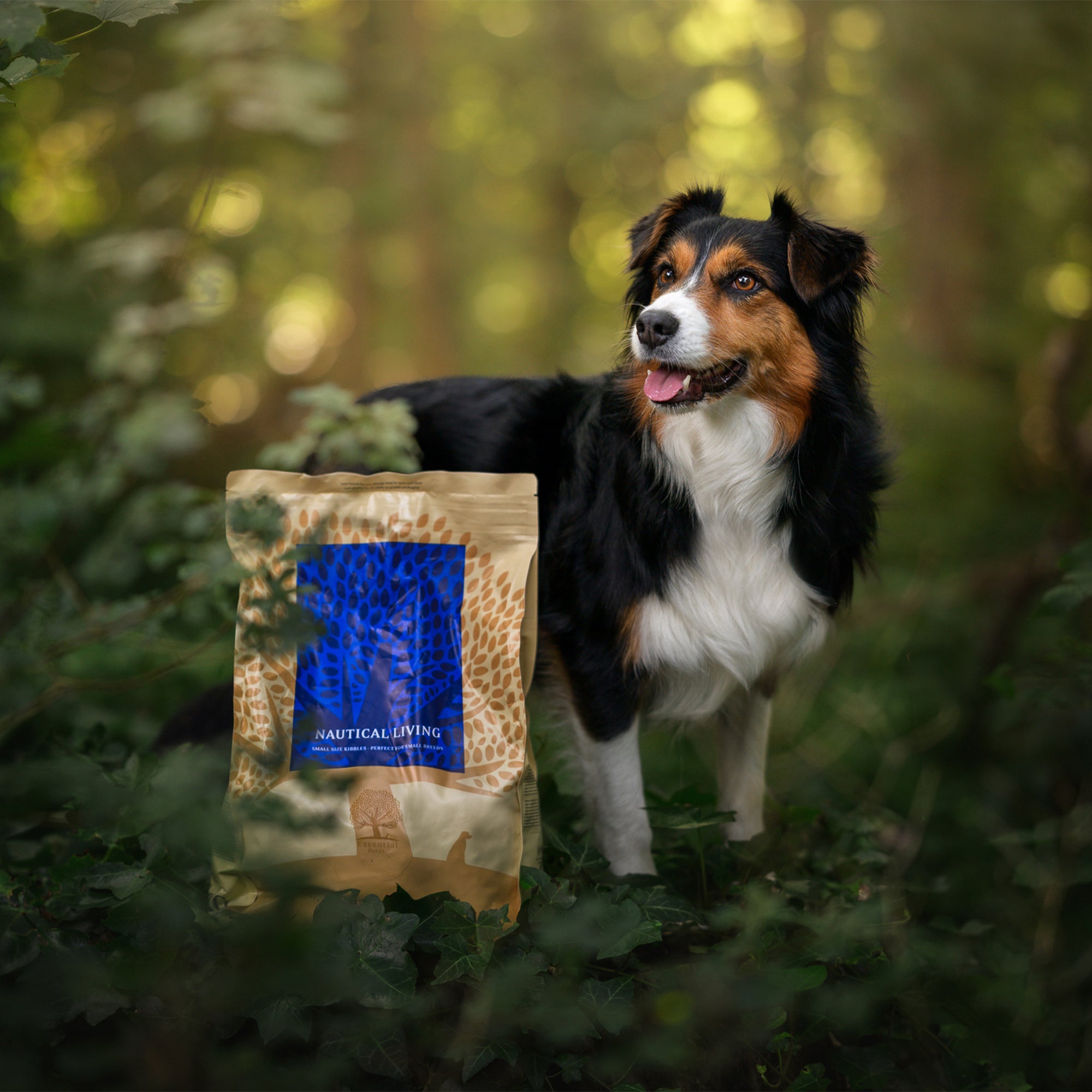
NAUTICAL LIVING, 2.5KG
fresh Scottish salmon, fresh trout, seasonal fresh fish


NAUTICAL LIVING, 10KG
fresh Scottish salmon, fresh trout, seasonal fresh fish


SUPERIOR LIVING, 2.5KG
free-range British chicken, British country duck, Scottish salmon, trout


SUPERIOR LIVING, 10KG
free-range British chicken, British country duck, Scottish salmon, trout

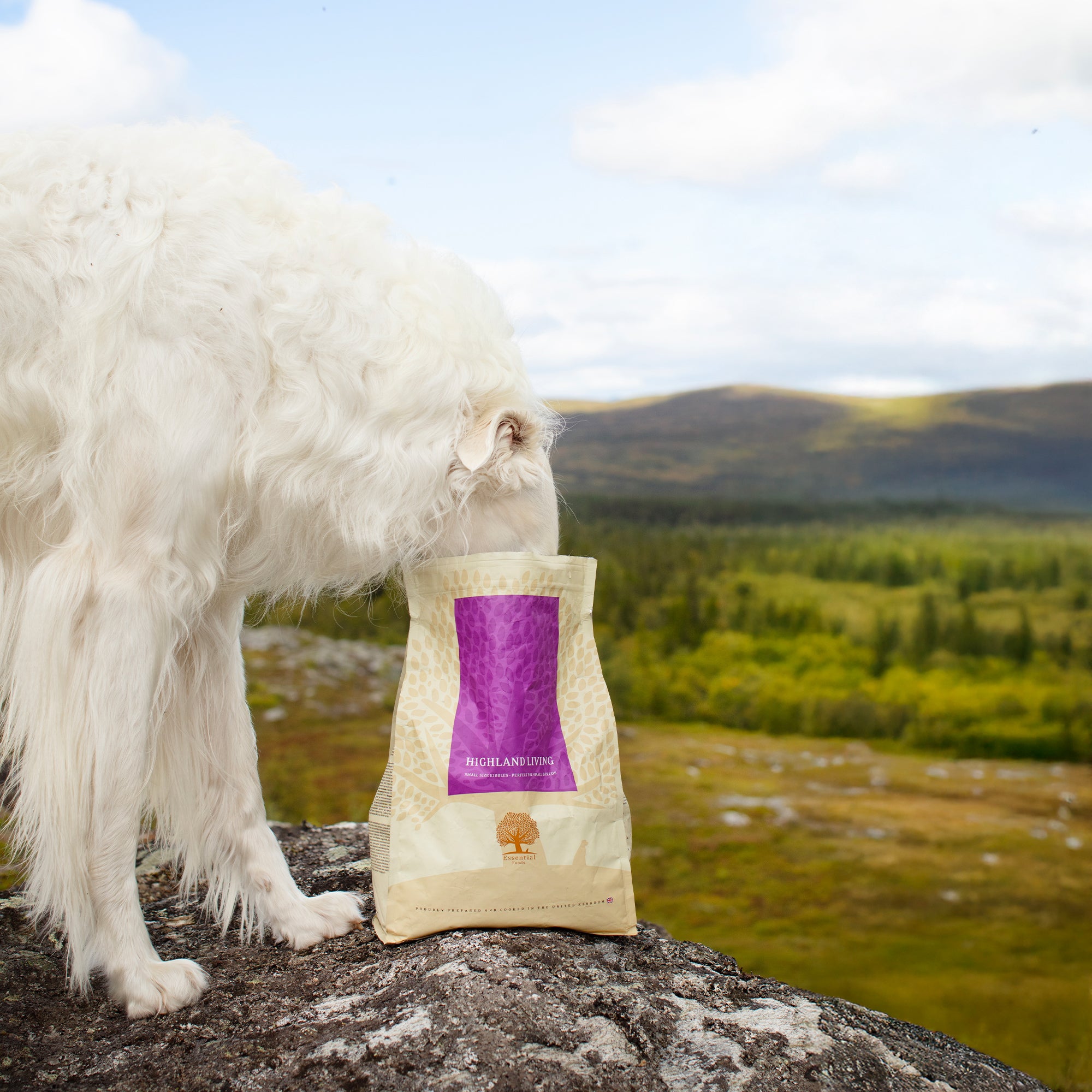
HIGHLAND LIVING, 2.5KG
free-range fresh turkey and Scottish salmon, Aberdeen Angus beef, wildfowl


HIGHLAND LIVING, 10KG
free-range fresh turkey and Scottish salmon, Aberdeen Angus beef, wildfowl


ESTATE LIVING, 2.5KG
grass-fed British free-range lamb, free-range chicken, free-roaming venison


ESTATE LIVING, 10KG
grass-fed British free-range lamb, free-range chicken, free-roaming venison


ETERNAL LIVING, 2.5KG
brown rice, field beans, sweet potato, chickpeas, eggs from free-range hens


ETERNAL LIVING, 10KG
brown rice, field beans, sweet potato, chickpeas, eggs from free-range hens


BEGINNING SMALL BREED, 2.5KG
free-range British chicken, British country duck, Scottish salmon, trout


BEGINNING SMALL BREED, 10KG
free-range British chicken, British country duck, Scottish salmon, trout

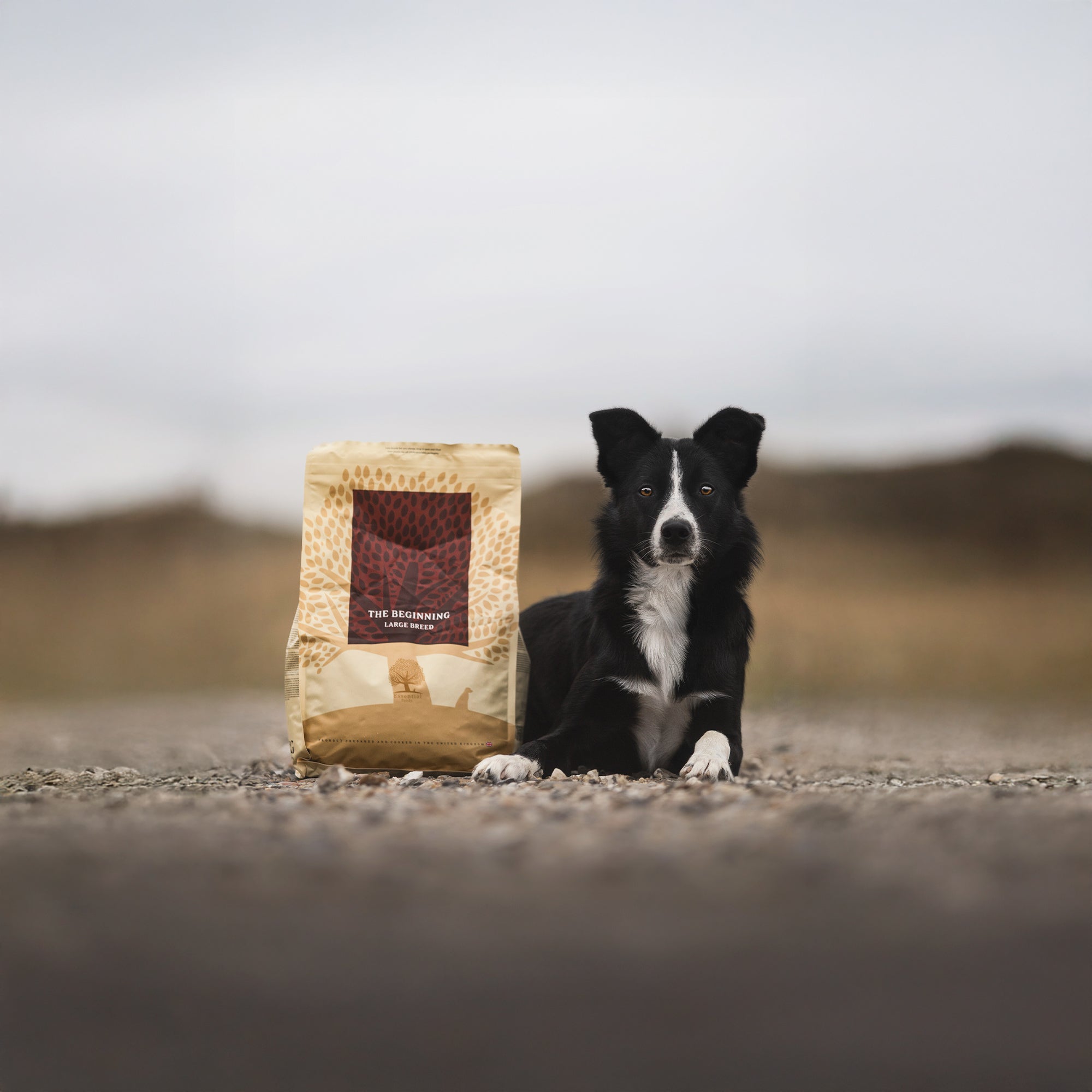
BEGINNING LARGE BREED, 2.5KG
free-range British chicken, free-run British duck, Scottish salmon, trout


BEGINNING LARGE BREED, 10KG
free-range British chicken, free-run British duck, Scottish salmon, trout

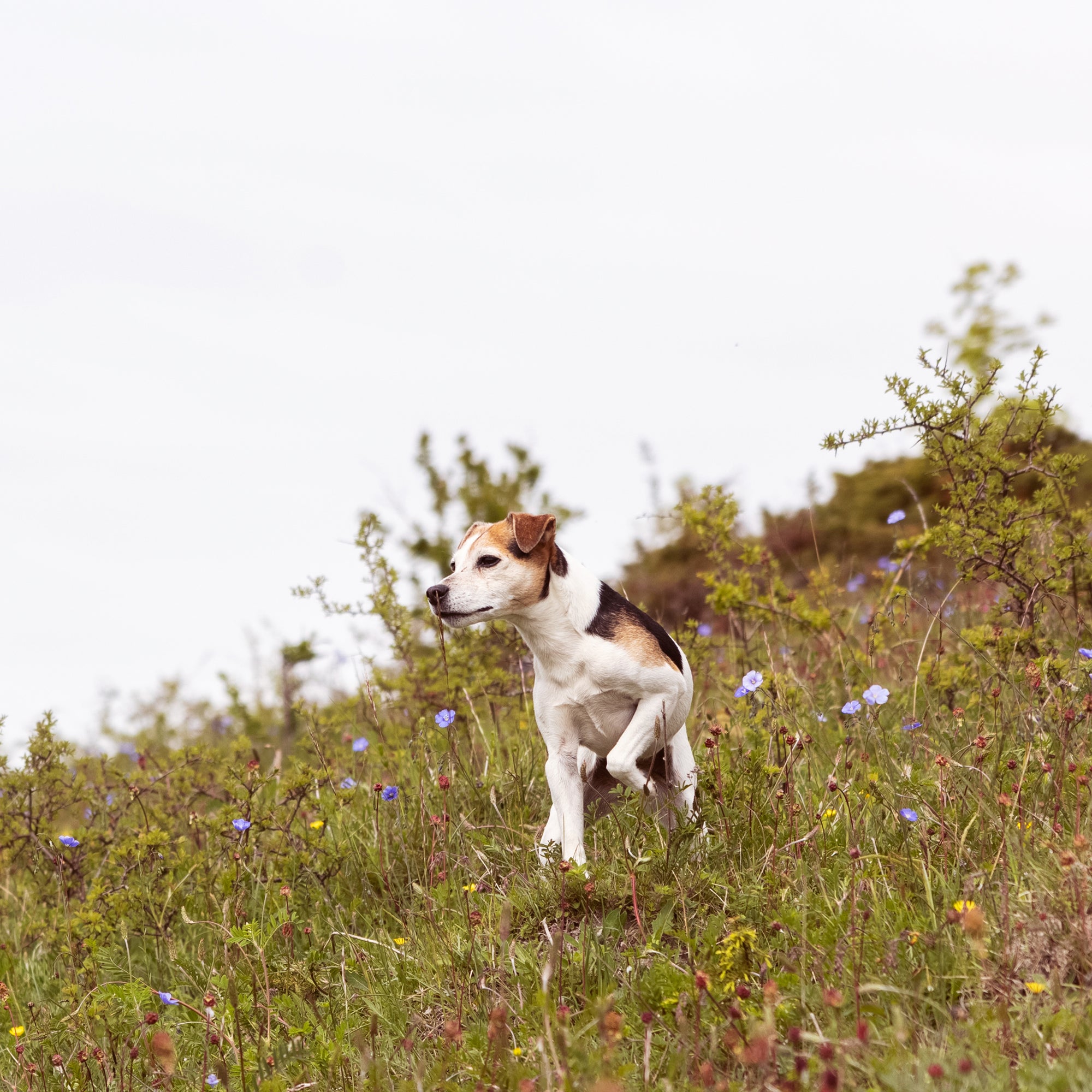
OLDER, 2,5KG
free-range British chicken, British country duck, Scottish salmon, trout

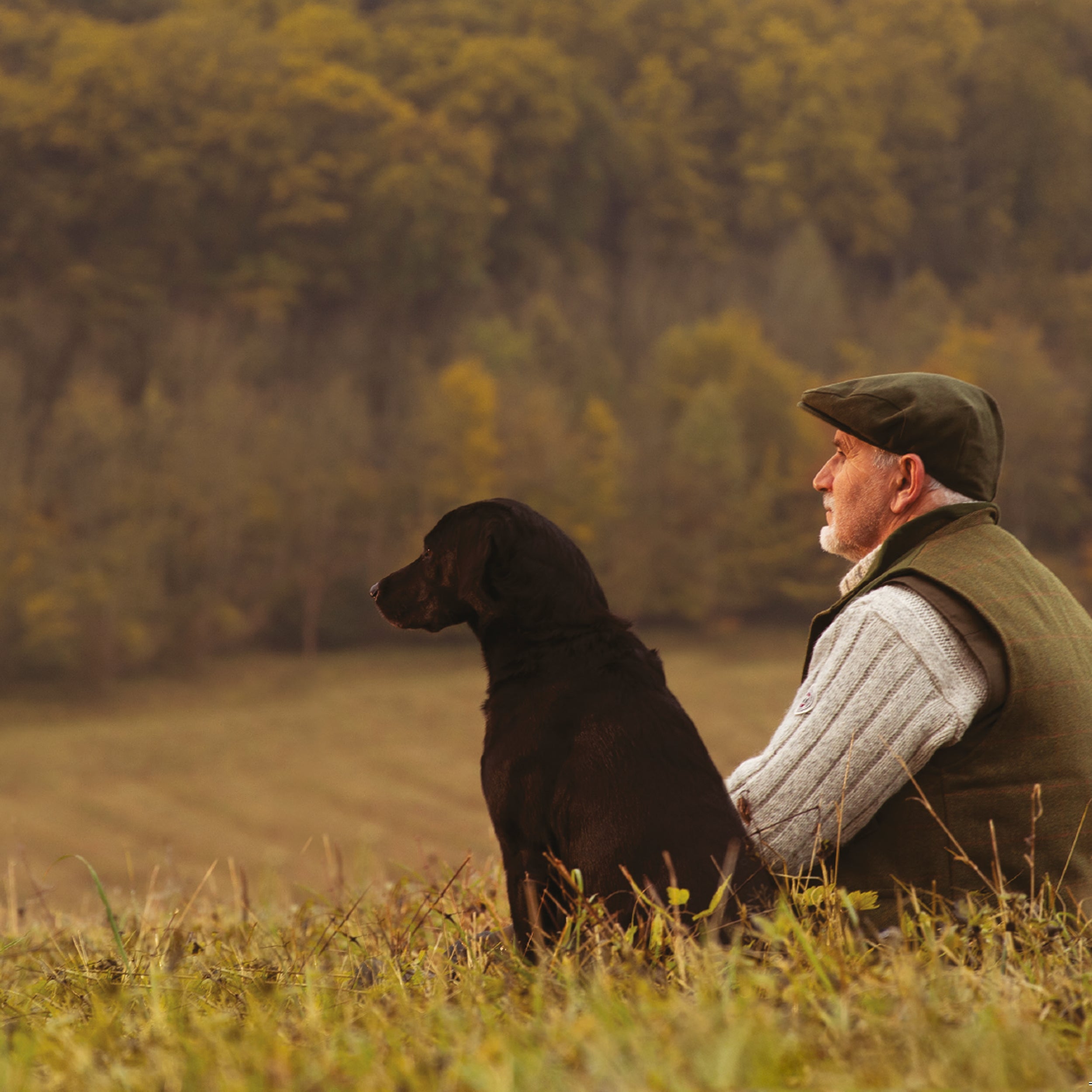
OLDER, 10KG
free-range British chicken, British country duck, Scottish salmon, trout


CONTOUR, 2.5KG
free-range British chicken, British country duck, Scottish salmon, trout


CONTOUR, 10KG
free-range British chicken, British country duck, Scottish salmon, trout

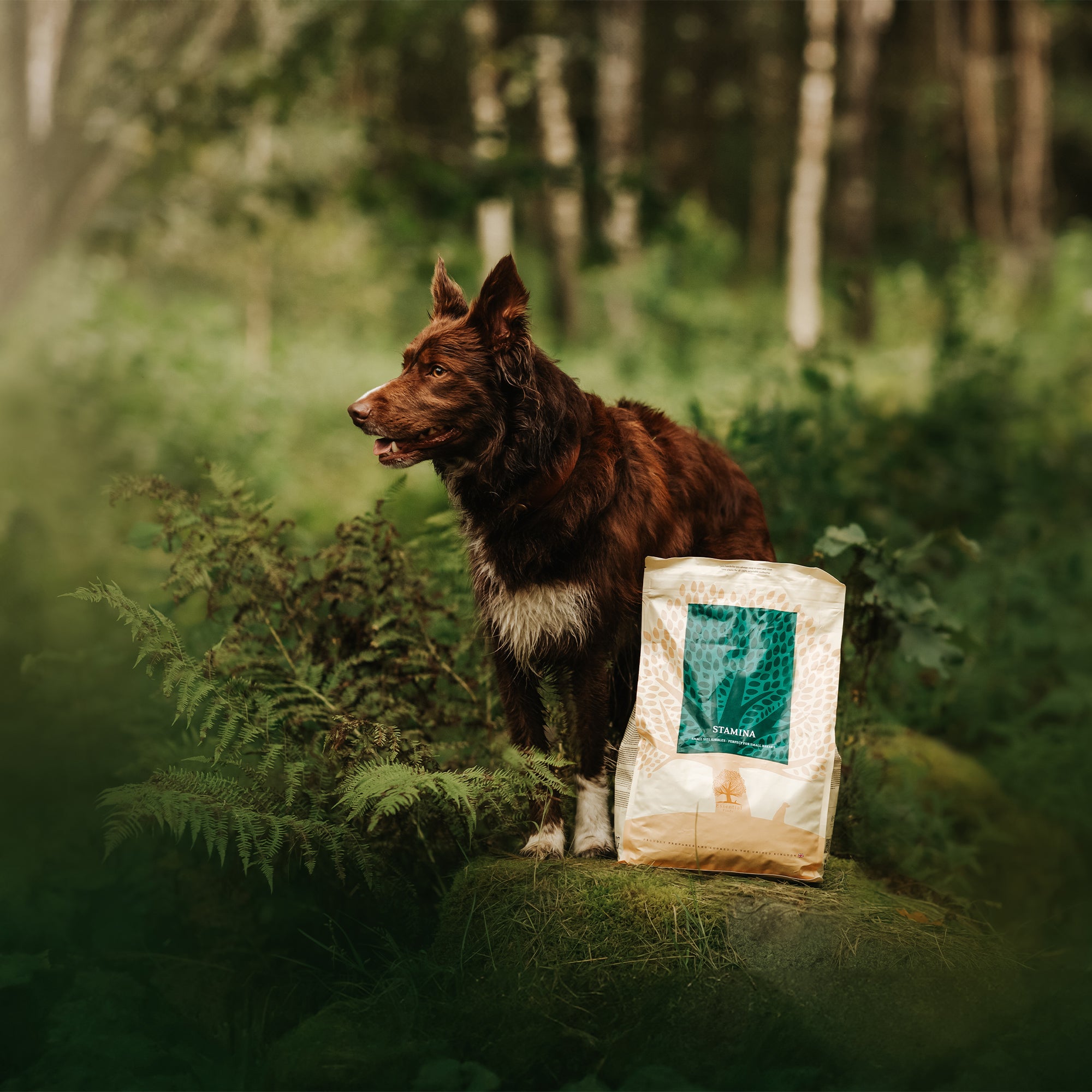
STAMINA, 2.5KG
free-range British chicken, British country duck, Scottish salmon, trout

Benefit from the advice of our nutrition experts
Chat with us on all weekdays from 8 am to 3 pm
100% satisfaction or your money back
Door-to-door delivery with 3-7 weekdays
Need help choosing the right dog food?
If you’re still in doubt about what meals to serve your dog or the foods your dog needs, please don’t hesitate to reach out to us. We have more than 25 years’ experience of working with dogs and creating delicacies for dogs of all ages and for all breeds. Our customer care team is always ready to assist you.
Chat with us
+44 (0) 1904211600
Monday-Thursday: 8am - 4pm
Friday: 8am - 2pm
